
What Health Inspectors Look for and How to Avoid Costly Pest Citations

Health inspections are a critical part of operating any restaurant, commercial kitchen, or food-service business. One of the most common and costly reasons facilities receive citations or fail inspections is health inspections pest violations. These violations can result in lowered inspection scores, mandatory re-inspections, lost revenue, and in some cases temporary closure.
Pest-related violations increase significantly during the winter months. As temperatures drop, rodents and insects move indoors, and inspectors pay closer attention to signs of infestation. Even well-maintained facilities can face citations if seasonal pest pressure is not addressed proactively. Understanding what inspectors look for, and why violations occur, is essential to staying compliant year-round.
Why Pest Violations Are a Major Focus During Health Inspections
Health inspections are a critical part of operating any restaurant, commercial kitchen, or food-service business. One of the most common and costly reasons facilities receive citations or fail inspections is health inspections pest violations. These violations can result in lowered inspection scores, mandatory re-inspections, lost revenue, and in some cases temporary closure.
Pest-related violations increase significantly during the winter months. As temperatures drop, rodents and insects move indoors, and inspectors pay closer attention to signs of infestation. Even well-maintained facilities can face citations if seasonal pest pressure is not addressed proactively. Understanding what inspectors look for, and why violations occur, is essential to staying compliant year-round.
Common Health Inspections Pest Violations
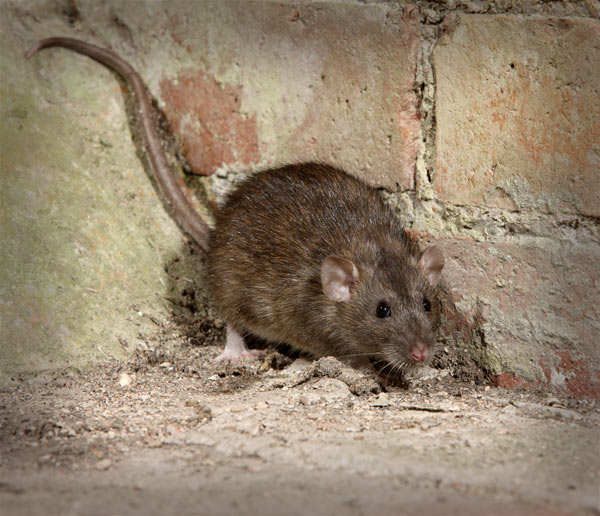
Rodents
One of the most frequent causes of health inspections pest violations is evidence of rodent activity. Inspectors look for droppings in kitchens, dry storage areas, and food prep spaces, as well as gnaw marks on packaging, grease trails along walls, and nesting material behind equipment. Even old or dried droppings from rats, mice or moles can lead to a citation if they suggest ongoing or unresolved activity.

Cockroaches
Cockroach activity is another major concern during inspections. Inspectors commonly find roaches behind refrigerators and ovens, under prep tables, inside cabinets, and near dishwashing areas. A single live german or oriental cockroach is often enough to trigger a violation because it indicates a larger hidden problem.
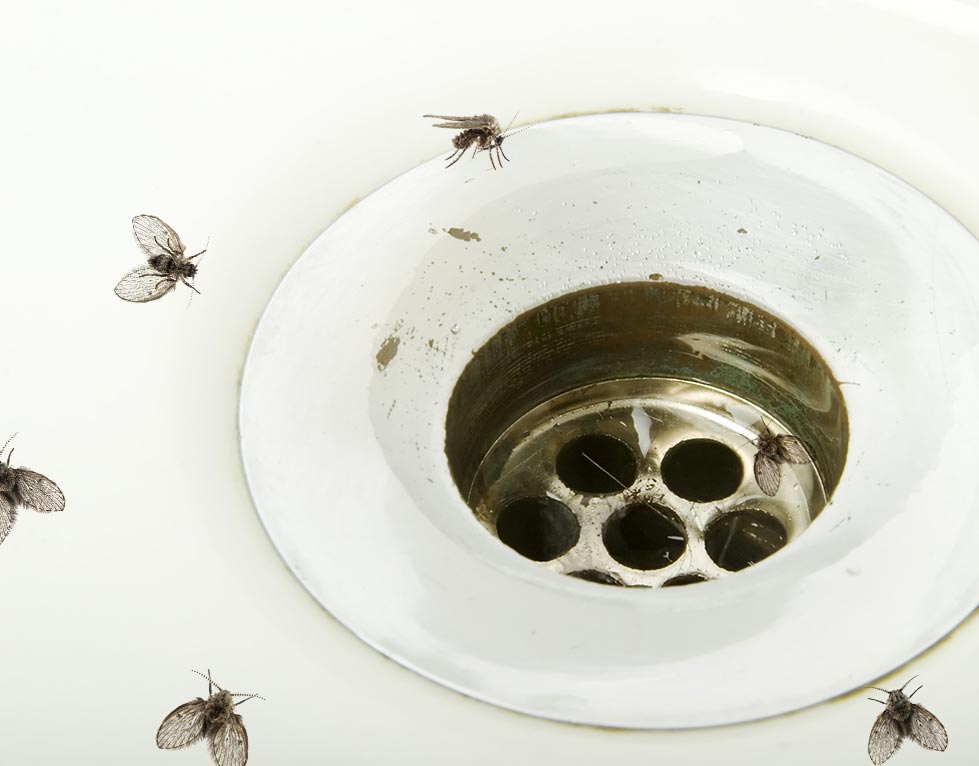
Fly and Drain Pests
Fly and drain pest issues are also frequently cited. Fruit flies, drain flies, and house flies thrive in moist environments and are often found around bar areas, floor drains, soda stations, and garbage zones. Inspectors pay close attention to drains with organic buildup, as these conditions support ongoing fly reproduction.
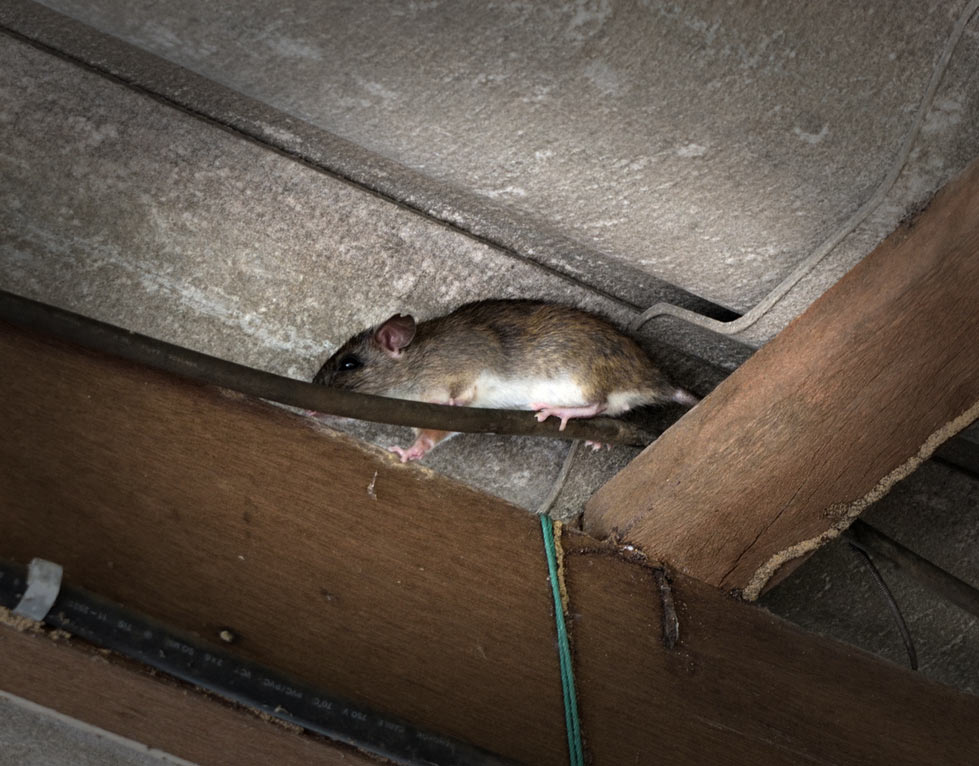
Pest Conductive Cite Conditions
Facilities may also receive pest violations even if no live pests are observed. Inspectors routinely cite conditions that are conducive to pests, such as gaps under exterior doors, missing door sweeps, unsealed plumbing penetrations, cracks in walls, or excessive cardboard storage. These structural and sanitation issues indicate a high risk of infestation and are treated as violations.

Incorrect Food Storage
Improper food storage is another factor inspectors evaluate closely. Food stored directly on the floor, open containers, torn packaging, or overcrowded storage rooms can all attract pests and result in citations. Dry goods such as flour, rice, and sugar are especially vulnerable if not properly sealed.
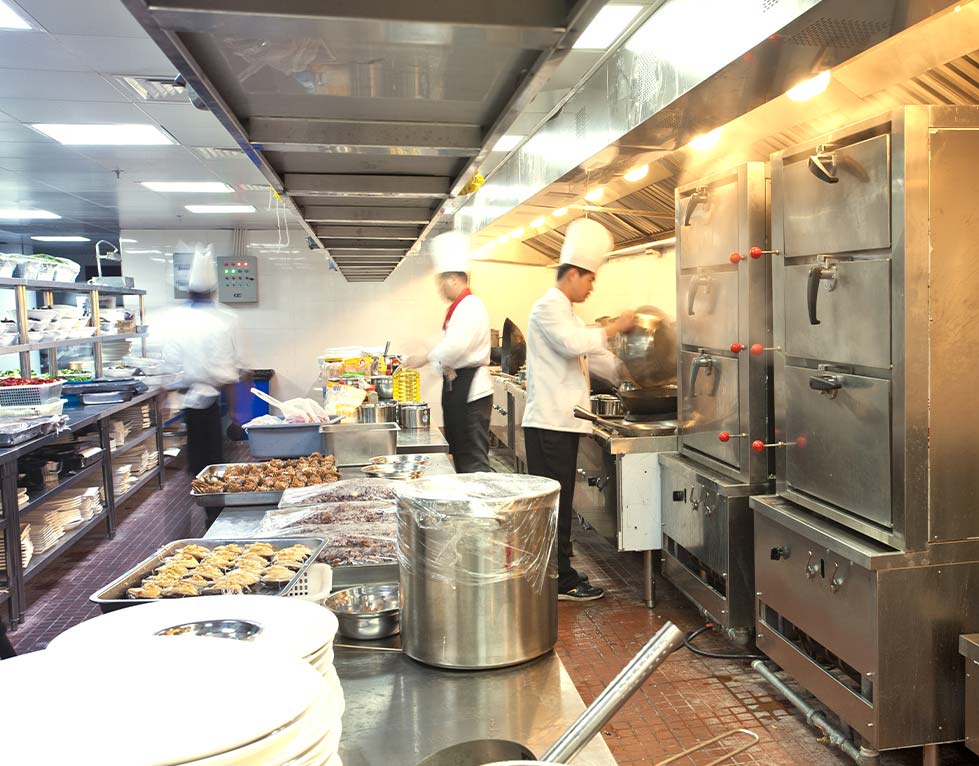
Sanitation & Waste Management
Poor sanitation and waste management often contribute to pest-related inspection failures. Grease buildup behind equipment, dirty floors and baseboards, overflowing trash bins, and unclean dumpster areas all increase pest pressure and raise red flags during inspections.
Why Health Inspections Pest Violations Increase in Winter
Many business owners assume pest problems slow down during colder months, but the opposite is true. Winter is one of the most active seasons for indoor pest activity. As outdoor temperatures drop, rodents and insects migrate inside, where commercial kitchens provide stable heat, moisture, and constant food sources.
Winter also brings operational changes that increase risk. Businesses often receive more food deliveries, store larger quantities of inventory, operate longer hours, and host seasonal events. These factors increase clutter, food waste, and door traffic, all of which create additional opportunities for pests to enter and thrive.
How Health Inspectors Identify Pest Violations in the Bay Area
.
Bay Area Health Inspections Follow the California Retail Food Code (CalCode)
In the Bay Area, health inspections are conducted by county Environmental Health Departments operating under the California Retail Food Code, commonly referred to as CalCode. While inspections are administered at the county level, such as Alameda County, Contra Costa County, or Santa Clara County, the standards for pest control are consistent throughout the region. Pest management is considered a foundational food-safety requirement, not an optional best practice.
.
Inspectors Look for Both Active Pests and Risk Conditions
Bay Area health inspectors are trained to identify not only live pest activity, but also conditions that allow pests to enter, survive, or reproduce inside a facility. Even if no pests are visible during an inspection, citations may still be issued if inspectors determine that the environment creates a high risk for infestation. This is a common source of confusion for food-service operators and a frequent cause of health inspections pest violations.
.
Visual Evidence of Rodent and Insect Activity Is a Primary Focus
Inspectors begin inspections with a detailed visual assessment of food preparation areas, dry storage rooms, dishwashing stations, restrooms, and waste areas. They look for rodent droppings, insect activity, grease trails, nesting material, dead pests, or other signs that indicate current or recent infestation. In the Bay Area, rodent evidence is one of the most commonly cited pest violations, particularly in older buildings and mixed-use commercial properties.
.
Structural Entry Points Are Considered Pest Violations Under CalCode
Structural integrity plays a major role in Bay Area inspections. Inspectors closely examine exterior doors, plumbing penetrations, utility lines, walls, and foundations. Gaps under doors, missing or damaged door sweeps, unsealed pipe openings, cracks in walls, and exposed utility access points are considered conditions conducive to pests. Under CalCode, these conditions may result in violations even if no pests are actively observed.
.
Sanitation and Moisture Control Are Closely Evaluated
Bay Area inspectors pay close attention to sanitation practices that may support pest activity. Areas behind equipment, under prep tables, inside cabinets, and around floor drains are common inspection focus points. Grease buildup, food debris, standing water, and organic residue create ideal conditions for pests, particularly flies and cockroaches. Drain fly activity is a frequent winter issue, and inspectors often check drains for organic buildup that supports breeding.
.
Food Storage Practices Can Trigger Pest Citations
Food storage is evaluated as part of pest control compliance. Inspectors verify that food is stored off the floor, kept in sealed containers, and protected from contamination. Torn packaging, exposed dry goods, or overcrowded storage areas are frequently cited because they attract rodents and insects and indicate inadequate pest prevention measures.
.
Pest Control Documentation Is Often Requested During Inspections
In addition to physical conditions, Bay Area inspectors often ask to see pest control documentation. Ongoing professional pest control service records demonstrate that a facility is actively managing pest risks. Service logs, monitoring reports, and corrective action notes can help show compliance and may reduce the severity of enforcement if issues are identified.
.
Winter Inspections Receive Extra Scrutiny for Pest Activity
During winter inspections, Bay Area health inspectors are especially alert to pest risks. Cold weather drives rodents and insects indoors, while increased deliveries, higher food volume, and longer operating hours raise the likelihood of pest activity. As a result, health inspections pest violations are more common during winter months throughout the region.
.
Why Understanding Bay Area Inspection Standards Matters
Under California law, pest activity and pest-attracting conditions are considered preventable violations. Facilities that fail inspections due to pests are often required to correct issues immediately and may face re-inspection fees or temporary closure. Understanding how Bay Area inspectors identify pest violations allows food-service businesses to address risks proactively and remain inspection-ready year-round.
How to Prevent Health Inspections Pest Violations
Preventing pest violations requires a proactive approach rather than last-minute fixes. Regular professional pest control helps identify risks early and prevents infestations from becoming visible during inspections. Sealing entry points, maintaining proper sanitation, storing food correctly, managing waste effectively, and keeping detailed pest control records all play a critical role in compliance.
Facilities that prioritize prevention typically experience fewer emergency issues, better inspection outcomes, and lower long-term costs compared to those that rely on reactive treatments.
The Role of Professional Pest Control in Inspection Success
Professional pest control providers help businesses reduce health inspections pest violations by monitoring activity year-round, addressing seasonal pest pressure, and providing documentation inspectors expect to see. Ongoing service demonstrates that pest management is taken seriously and helps prevent small issues from escalating into major violations.
How Day & Nite Pest Control Helps Reduce Pest Violations

Day & Nite Pest Control works with restaurants, commercial kitchens, and hospitality businesses throughout the Bay Area to reduce health inspection pest violations. Our approach focuses on rodent prevention and exclusion, cockroach elimination, fly and drain pest control, sanitation support, and winter-specific prevention strategies. We also provide inspection-ready documentation and flexible scheduling to minimize operational disruption.
Our goal is to help businesses stay compliant, protect their reputation, and pass inspections with confidence.
Frequently Asked Questions About Health Inspections Pest Violations
Not always, but serious infestations or repeated violations can result in closures.
Yes. Even a single live rodent or cockroach can result in a citation.
Yes. Documentation shows proactive management and can reduce penalties.
Yes. Pest activity indoors increases significantly during colder months.
Final Thoughts
Health inspection pest violations are one of the most preventable reasons businesses fail inspections. Understanding what inspectors look for and addressing seasonal pest risks before they escalate is the most effective way to protect customers, staff, and your business.
With proactive pest control, strong sanitation practices, and proper documentation, restaurants and commercial kitchens can significantly reduce violations and remain inspection-ready throughout the year.