
Why Older Walnut Creek Neighborhoods See More Rat Problems

If you’ve recently heard scratching in your attic, discovered droppings in your garage, or spotted a rat running along a fence line after dark, you’re certainly not alone. While rat activity can occur anywhere, many of Walnut Creek’s older neighborhoods naturally provide the food, shelter, and travel routes rodents need to thrive.
Contrary to popular belief, rats aren’t only attracted to dirty properties. Even well-maintained homes can experience infestations when the surrounding environment offers mature trees, dense landscaping, aging homes with small entry points, and nearby food sources. Walnut Creek’s beautiful established neighborhoods offer many of the characteristics that make them attractive to roof rats and, in some areas, Norway rats.
Understanding why certain neighborhoods experience more rodent activity can help homeowners recognize early warning signs and take steps to protect their property before a minor problem becomes a costly infestation.
In This Article, You Will Learn:
- Why Rats Thrive in Older Walnut Creek Neighborhoods
- Walnut Creek Neighborhoods with More Rat Activity
- Why Older Walnut Creek Homes Attract Rats
- How Day & Nite Pest Control Helps with Rat Problems
- Commercial Properties with Rat Problems in Walnut Creek
- How to Prevent Rats Around Your Walnut Creek Property
- Rat Control FAQs for Walnut Creek Homeowners
- Schedule Rat Control in Walnut Creek
Walnut Creek Neighborhoods That Experience More Rat Activity
Every neighborhood has its own character, and those differences often influence where rats are most likely to establish themselves. While infestations can happen anywhere, these areas share characteristics that naturally support rodent populations.
Walnut Heights
.
Walnut Heights is known for its mature walnut and oak trees, larger residential lots, and established landscaping. For roof rats, this environment creates an ideal highway through the treetops. Branches that extend over rooftops allow rodents to travel from property to property without ever touching the ground.
Many homes in the neighborhood were built decades ago, and while they’ve been beautifully maintained, older rooflines, attic vents, and utility penetrations may develop small openings over time. Combined with dense vegetation and seasonal walnut production, these conditions make Walnut Heights particularly attractive to roof rats.
Northgate
.
Northgate features spacious properties, mature shade trees, fruit trees, gardens, and irrigation systems that provide both food and reliable water sources throughout much of the year.
Older construction can also present opportunities for rodents to enter attics, crawl spaces, and garages through small gaps that may go unnoticed by homeowners. Fruit that falls from backyard trees, bird feeders, and compost bins can further encourage rat activity if left unmanaged.
Parkmead
.
Parkmead combines older homes with established landscaping that has matured over many decades. Dense shrubs, ivy, decorative ground cover, and closely spaced homes create protected travel corridors where rodents can move with little exposure to predators.
Homes with aging attic vents, crawl spaces, and roof intersections may become especially vulnerable if routine exterior maintenance has been delayed.
Larkey Park
.
Homes surrounding Larkey Park benefit from beautiful green spaces and mature landscaping, but nearby vegetation and creek corridors can also increase wildlife activity.
Rats often follow fence lines, dense shrubbery, and landscaped areas while searching for food and shelter. Properties bordering open spaces may experience increased rodent pressure, particularly during periods of drought or seasonal food shortages.
Saranap
.
Saranap’s semi-rural character, larger lots, mature trees, and backyard gardens provide many of the conditions rodents prefer. Chicken coops, compost piles, wood stacks, and fruit trees are common features that, while beneficial for homeowners, can also attract roof rats when not properly maintained.
Because properties are larger, infestations sometimes develop unnoticed until homeowners begin hearing activity inside walls or attics.
Downtown Walnut Creek
.
Rat problems aren’t limited to residential neighborhoods. Downtown Walnut Creek presents a different set of challenges.
Restaurants, cafés, grocery stores, landscaped shopping areas, parking structures, and shared commercial buildings provide abundant food sources and shelter. Dumpster enclosures, loading docks, and utility corridors can all support rodent activity if sanitation and exclusion measures aren’t consistently maintained.
Why Older Homes Are More Vulnerable to Rat Infestations
One of the biggest reasons older neighborhoods experience more rodent problems has less to do with cleanliness and more to do with construction.

As homes age, normal settling and weather exposure can create surprisingly small openings that rats use to enter structures.
Common entry points include:
- Roof and attic vents
- Utility pipe penetrations
- Gaps beneath roof flashing
- Damaged soffits and fascia boards
- Crawl space vents
- Chimneys
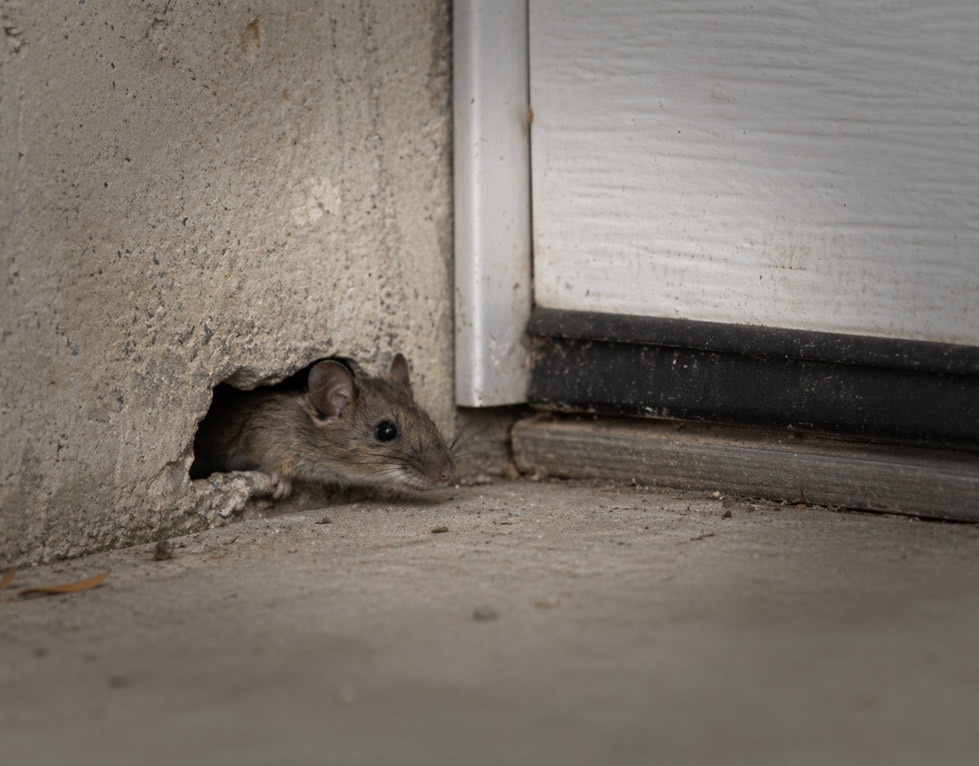
- Garage door corners
- Roof intersections where different rooflines meet
Roof rats are exceptional climbers and only need an opening of about half an inch to squeeze inside. Once indoors, attics provide warmth, protection from predators, and nesting material within insulation.
Without professional exclusion work, simply trapping rodents often fails to solve the long-term problem because new rats can continue entering through the same access points.
How Day & Nite Pest Control Solves Rat Problems in Walnut Creek
Successfully eliminating a rat infestation requires more than placing traps in an attic. At Day & Nite Pest Control, every treatment begins with identifying why rodents chose the property in the first place.
Our technicians perform a comprehensive inspection to locate active entry points, nesting areas, travel routes, and conditions that encourage rodent activity. By understanding how rats are accessing the structure, we can develop a treatment plan that addresses both the infestation and its underlying cause.
Professional rat control typically includes:
- Thorough property inspections
- Strategic trapping and monitoring
- Identification of entry points
- Exclusion recommendations to prevent re-entry
- Guidance for trimming tree branches and managing vegetation
- Recommendations for reducing food and water sources around the property
Because we regularly serve homeowners and businesses throughout Walnut Creek and the surrounding East Bay, we’re familiar with the construction styles, landscaping, and environmental conditions that commonly contribute to rodent infestations in the area.
Commercial Properties That Commonly Experience Rat Problems in Walnut Creek
Rodent issues aren’t limited to homes. Many commercial properties naturally create environments where rats can find food, water, and shelter.
Restaurants and Cafés
Outdoor dining areas, food preparation, grease traps, and dumpster enclosures can all attract rodents if sanitation practices aren’t consistently maintained.
Shopping Centers
Shared walls, landscaped medians, utility corridors, and multiple food-related businesses allow rodents to travel between buildings if preventative measures aren’t in place.
Grocery Stores and Food Markets
Frequent deliveries, loading docks, food storage areas, and compactors create opportunities for rats to find reliable food sources.
Apartment and Condominium Communities
Multi-family housing presents unique challenges because rodents can move between units through shared walls, attic spaces, utility chases, and crawl spaces.
Office Buildings
Even professional office environments can experience rodent issues when nearby landscaping, employee break rooms, storage areas, or utility rooms provide shelter and food sources.
Routine inspections and proactive exclusion measures help commercial property owners address small issues before they become larger infestations.
Frequently Asked Questions About Rats in Walnut Creek
Walnut Creek’s mature trees, established landscaping, mild climate, and older neighborhoods provide ideal habitat for roof rats. Tree canopies often allow them to travel between homes without coming to the ground.
Yes. Homes located near creek corridors, greenbelts, and natural open spaces may experience increased rodent activity because these areas provide water, shelter, and natural travel routes.
Absolutely. Rats commonly chew electrical wiring, contaminate attic insulation, damage stored belongings, and create fire hazards by gnawing on electrical systems.
Yes. Keeping tree branches trimmed away from the roof helps eliminate one of the most common access routes roof rats use to enter homes.
While traps may catch individual rodents, successful long-term control usually requires identifying entry points, removing nesting sites, and preventing future access to the structure.
Yes. Walnut Creek’s relatively mild climate allows rats to remain active throughout the year, although many homeowners notice increased indoor activity during cooler months as rodents seek shelter.
Protecting Your Walnut Creek Property from Rats

While no property is completely immune to rodents, homeowners can significantly reduce their risk by maintaining trees and landscaping, promptly cleaning up fallen fruit, storing pet food in sealed containers, securing garbage bins, and scheduling periodic inspections of roof vents, crawl spaces, and exterior entry points.
If you hear scratching in your attic, notice droppings around your home, or suspect rodent activity, addressing the problem early can help prevent more extensive damage.
Schedule Professional Rat Control in Walnut Creek
Day & Nite Pest Control provides thorough inspections, effective rat removal, and long-term prevention strategies tailored to the unique challenges found throughout Walnut Creek. If you’ve noticed signs of rat activity, don’t wait for the infestation to grow. Contact our team today to schedule an inspection, and learn more about our Rat Control Walnut Creek services to keep your home or business protected year-round.