
Commercial Kitchen Pest Control East Bay | Fast & Safe
Winter Is Coming: Why Commercial Kitchens See More Pest Activity During the Colder Months — and How to Prevent It
.
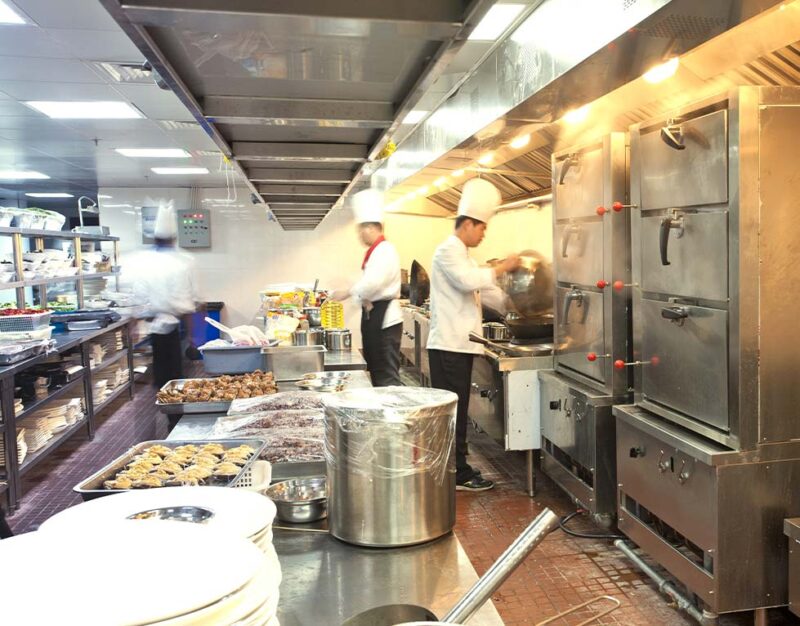
Winter is one of the most critical times of the year for commercial kitchen pest control. As temperatures drop, pests such as rodents, cockroaches, and flies move indoors — directly into the warm, food-rich environments of restaurants, cafés, bakeries, bars, food trucks, and commissary kitchens.
Many Bay Area operators assume pest pressure decreases in winter, but the truth is the opposite:
Winter is peak season for pests in commercial kitchens.
If your business prepares or stores food, this is the time to strengthen your sanitation practices, improve exclusion, and schedule preventative pest control before problems escalate.
1) Winter Rodent Activity Skyrockets in Commercial Kitchens
.
Commercial kitchens offer exactly what rodents search for in cold weather: heat, food, moisture, and shelter.

.
COMMON WINTER INVADERS INCLUDE: House mice, roof rats, Norway rats, and field mice (common around suburban kitchens).
THE ENTER THROUGH: Gaps around doors and loading docks, openings around plumbing, holes near floor drains, cracks in older Bay Area buildings, and gaps around utility lines.
ONCE INSIDE, THEY TARGET: Dry storage, hot equipment lines (behind stoves & fryers), under refrigeration units, behind dish stations, and soda machines and syrup closets.
RODENTS IN A COMMERCIAL KITCHEN CAN QUICKLY LEAD TO: Failed health inspections, contaminated ingredients, shutdown orders, negative customer reviews, and serious food-safety violations.
This is what makes winter rodent exclusion one of the most important aspects of commercial kitchen pest control.
2) Flies and Drain Pests Remain Active Year-Round
.
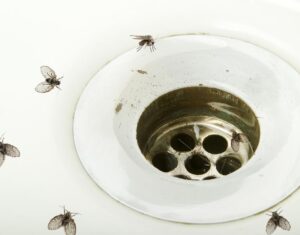
Many operators assume flies die off in winter, but warm commercial kitchens can sustain them indefinitely.
.
WINTER HOTSPOTS INCLUDE: Floor drains, bar drains, mop sinks, grease traps, dishwashing areas, fruit storage areas, and soda gun holsters.
Fruit flies, drain flies, and fungus gnats thrive in the moisture and organic buildup common in commercial kitchens. Without proper drain sanitation, winter fly infestations can explode quickly.
3) Cockroaches Thrive in Heated Indoor Environments
.
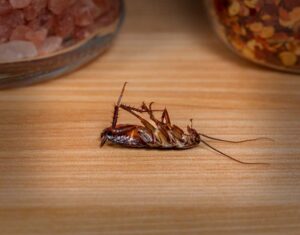
Cockroaches become even more active in winter because heated commercial kitchens provide everything they need: warmth, moisture, and food residue.
.
COCKROACHES HIDE INSIDE: Wall voids, equipment motors, behind refrigerators, cardboard boxes, dry storage shelving, and under prep areas.
Winter is one of the busiest seasons for German cockroach infestations in the Bay Area — and they multiply fast.
4) Winter Food Deliveries Increase Pest Introduction Risk
.
From November through January, commercial kitchens receive more shipments than usual such as: produce, dry goods, packaging, beverages, holiday supplies, disposable goods and takeout containers.

.
BOXES TRAVELING FROM COLDER REGIONS OFTEN CARRY: cockroaches, beetles, weevils, spiders, and rodents (in rare but severe cases). Shipment inspections are a critical part of commercial kitchen pest control during the winter season.
4) Higher Winter Demand = More Food Waste & More Pest Pressure
.
During winter holidays, commercial kitchens see: Longer hours, larger orders, more catering, more storage, more prep waste, and overflowing trash.
.
All of these amplify pest attractants significantly.
Without proper prevention, winter can become the most difficult pest season for Bay Area food-service businesses.
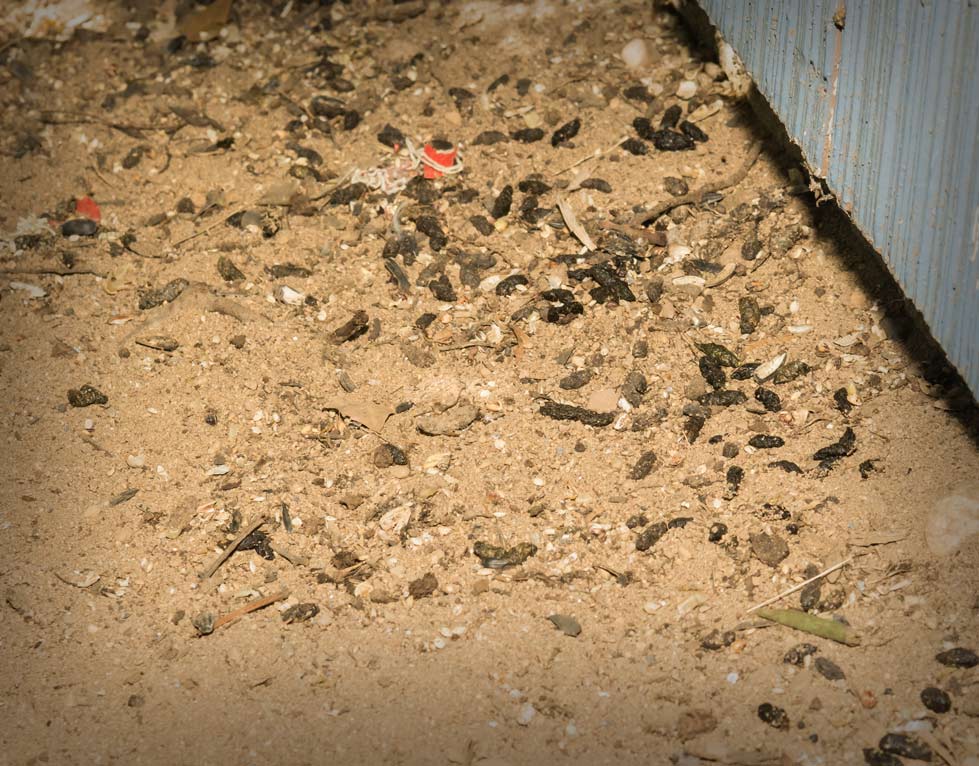
Why Winter Pest Control Is Critical for Safety & Compliance
Winter coincides with another major factor: surprise health inspections. Even minor pest activity can cause:
-
-
- Immediate point deductions
- Mandatory closures
- Re-inspection fees
- Liability issues
- Public record damage
- Lost revenue from negative reviews
-
Most winter pest issues begin small — but escalate quickly when not addressed with a structured commercial kitchen pest control program.
Winter Pest Prevention Tips for Commercial Kitchens
.
Here are essential steps every kitchen must take:
✔ Seal exterior openings
Gaps around doors, utility lines, and plumbing are major rodent entry points.
✔ Deep clean under and behind equipment
Food particles and grease buildup attract roaches and rodents.
✔ Sanitize drains weekly
Use enzyme-based cleaners to eliminate organic residue.
✔ Store all food in sealed, airtight containers
Especially dry goods like flour, rice, sugar, and grains.
✔ Break down cardboard daily
Cardboard traps heat and moisture — perfect for roaches.
✔ Maintain tight trash management
Close dumpsters, clean bins, and keep trash away from doors.
✔ Inspect every shipment
Check for droppings, chew marks, moisture, or insects inside boxes.
✔ Schedule a winter pest control inspection
Early intervention prevents costly infestations later.
How Day & Nite Protects Your Commercial Kitchen
.
Day & Nite Pest Control specializes in commercial kitchen pest control across the Bay Area, providing customized year-round protection for: Restaurants, bakeries, cafés, bars & breweries, food production kitchens, commissary kitchens, food trucks, catering facilities, and ghost kitchens.
We provide:
-
-
- After-hours & early morning service
- Restaurant-safe and kitchen-approved methods
- Winter rodent proofing & exclusion
- Drain fly & bar-area treatments
- Cockroach elimination programs
- Detailed reports for inspections
- Monthly or bi-weekly preventative service
- Emergency response when needed
-
Our goal is to keep your kitchen clean, compliant, and inspection-ready — even during peak winter pest activity.
Serving Commercial Kitchens Across the Bay Area
Including:
Dublin, Pleasanton, Livermore, San Ramon, Danville, Walnut Creek, Concord, Fremont, Hayward, Castro Valley, and surrounding communities.