
Why Pests Spike After Rain in the Bay Area
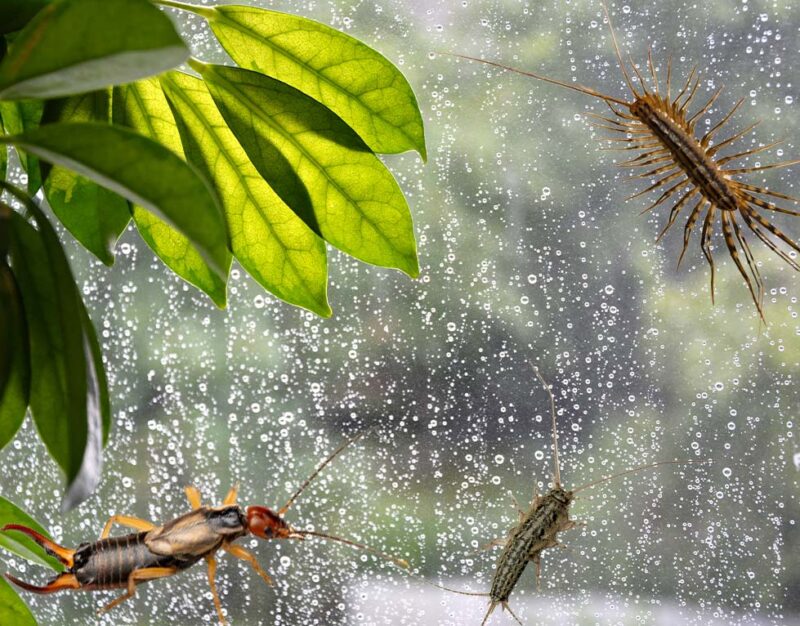
Rainfall in the Bay Area often brings relief from dry conditions, but it also triggers a noticeable increase in pest activity. Homeowners and business owners frequently report ants, spiders, rodents, and other pests appearing seemingly overnight after a storm. This surge is not random. Rain fundamentally changes pest environments, forcing insects and animals to adapt quickly, and homes often become the most attractive refuge available. Understanding why pests spike after rain can help Bay Area residents recognize early warning signs and take action before a minor issue becomes a full infestation.
.
Why the Bay Area Is Especially Prone After Rain
The Bay Area’s unique climate and housing characteristics make it especially vulnerable to rain-driven pest activity. Mild year-round temperatures allow pests to remain active even during wetter months. Many homes were built decades ago and include crawl spaces, older foundations, and complex rooflines that are more susceptible to moisture intrusion.
Additionally, the region’s clay-heavy soil expands when wet, which can create new cracks and gaps around foundations. Combined with dense landscaping and frequent irrigation, these factors create ideal conditions for pests to migrate indoors whenever rain disrupts their outdoor habitats.
How Rain Impacts Pest Behavior
Rain disrupts the ecosystems pests depend on for shelter and survival. Saturated soil floods underground nests, collapses rodent burrows, and washes insects out of landscaped areas and storm drains. When these habitats become unlivable, pests instinctively move toward dry, stable environments, which often leads them straight into homes and businesses.
Moisture also increases humidity levels around foundations, crawl spaces, and wall voids. These damp conditions attract insects that thrive in moisture and draw in predators that feed on them. In short, rain does not eliminate pests; it displaces them, increasing the likelihood of indoor pest activity.
How to Prepare for and Prevent Pest Issues After Rain
Preparation before and after rainfall is one of the most effective ways to reduce pest pressure. Homes that are well sealed and properly drained are far less appealing to pests seeking emergency shelter. Small gaps around doors, windows, foundations, and utility lines can become major entry points once rain forces pests to relocate.
Managing moisture is equally important. Standing water, clogged gutters, and overly wet landscaping near the structure of a home create ideal conditions for pests to linger. Preventive pest control treatments, especially those designed for seasonal changes, can create a protective barrier that stops pests before they enter.
Signs You May Have a Post-Rain Pest Problem
Pest activity after rain often appears suddenly and escalates quickly. Ant trails may emerge along baseboards or countertops within days of a storm. Rodents may become more noticeable as they search for warmth and nesting materials inside walls, garages, or attics. Spiders and other insects may appear in areas that were previously pest-free, such as bathrooms, laundry rooms, or bedrooms.
Unusual sounds, droppings, increased webbing, or persistent insect sightings shortly after rainfall are strong indicators that pests are reacting to environmental displacement rather than chance.
The Most Common Pests After Rain in the Bay Area

Ants
Rain floods underground ant colonies, forcing worker ants to relocate quickly and establish new foraging paths.
Why They Invade After Rain:
Flooded nests drive ants to seek higher, drier ground inside structures. Accessible food sources and moisture inside homes make them an efficient survival option.
Rodents (Mice & Rats)
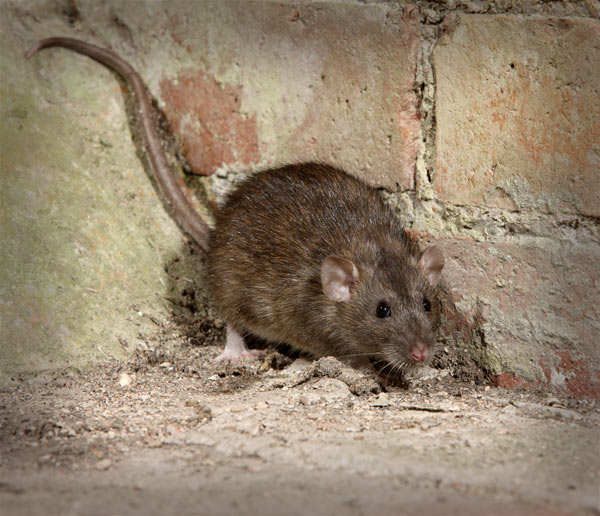
Rodents are highly adaptable but are displaced when heavy rain collapses burrows and fills underground nesting areas.
Why They Invade After Rain:
When outdoor nesting areas are destroyed, it forces rodents to seek immediate shelter. Homes provide warmth, dryness, and protection from predators. Once inside, rodents can contaminate food, damage wiring, and reproduce rapidly if not addressed.

Spiders
Spiders do not typically seek indoor environments, but rainfall drives their prey indoors, causing spiders to follow.
Why They Invade After Rain:
Increased indoor insect activity creates new hunting opportunities. Dry, undisturbed areas inside homes provide ideal hiding spaces.

Cockroaches
Rain flushes cockroaches out of sewers, drains, and damp exterior environments, pushing them into buildings.
Why They Invade After Rain:
Rising water levels eliminate their usual hiding places. Warm, moisture-rich areas inside homes support their survival. Bathrooms, kitchens, and laundry rooms are common post-rain hotspots.
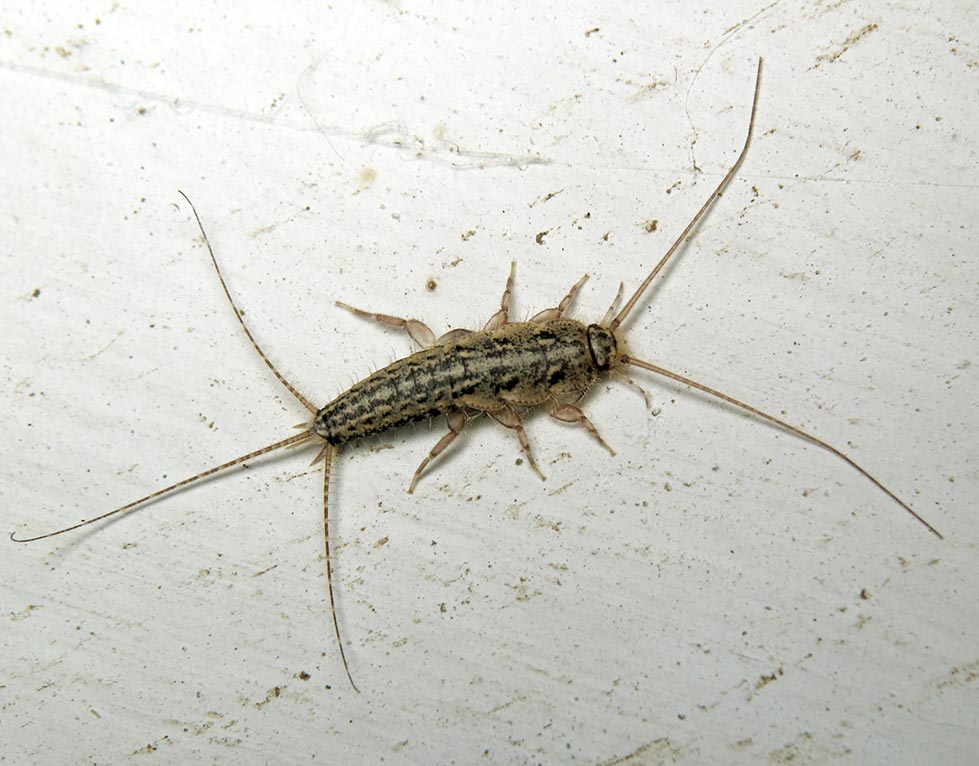
Earwigs and Other Moisture Pests
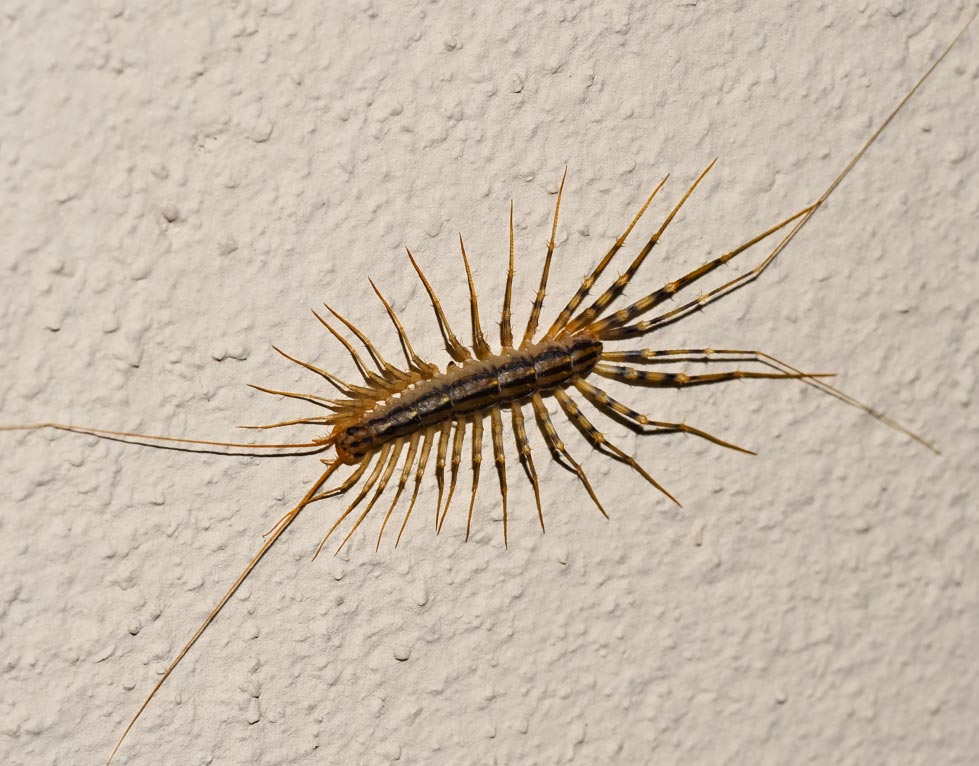
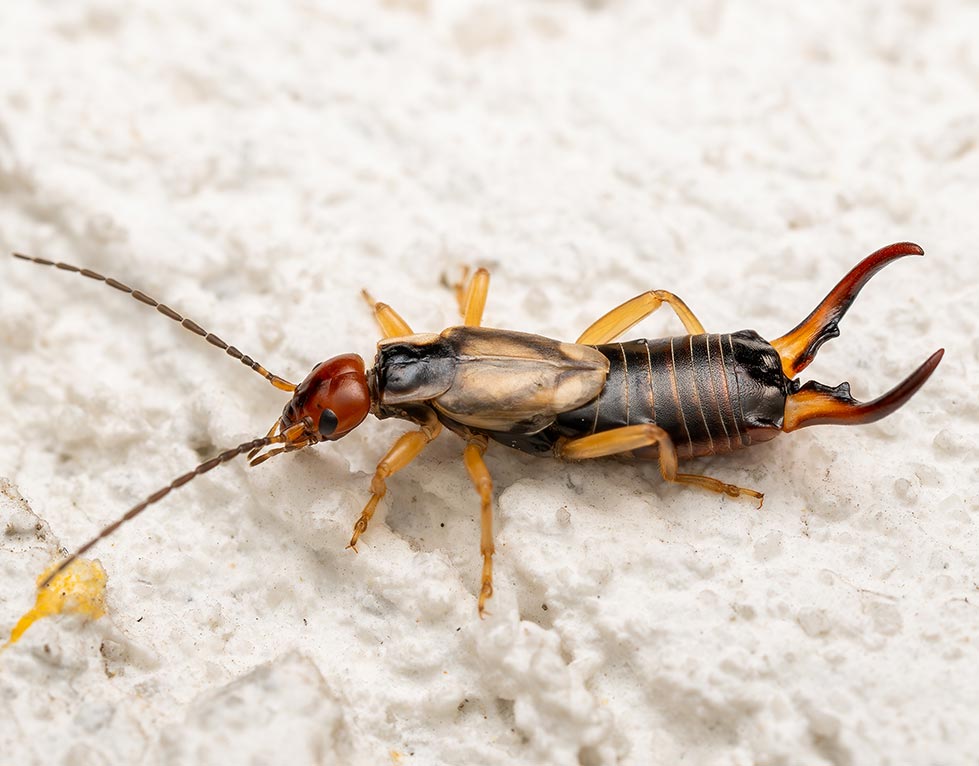
Earwigs, silverfish, and centipedes thrive in damp environments and become more active when soil is oversaturated.
Why They Invade After Rain:
Excess moisture in soil forces them toward drier interior spaces. Damp foundations and crawl spaces create ideal living conditions.
When to Call a Professional Pest Control Company
If pest activity increases consistently after rainfall or does not subside once conditions dry out, professional intervention is often necessary. Rain-related infestations typically indicate underlying vulnerabilities such as hidden entry points, moisture buildup, or established nesting areas inside the structure.
A professional pest control inspection can identify the root cause of the issue and address it with targeted treatments rather than temporary fixes. Day & Nite Pest Control specializes in identifying rain-driven pest patterns and implementing solutions designed specifically for Bay Area homes and businesses.
Frequently Asked Questions About Pests After Rain in the Bay Area
Pests often appear after rain because their outdoor habitats become flooded or unstable. Heavy rainfall forces insects and rodents out of soil, landscaping, and storm drains, pushing them to seek dry, protected environments such as homes and buildings. This displacement causes a noticeable increase in indoor pest activity shortly after storms.
Post-rain pest activity can last anywhere from a few days to several weeks, depending on the severity of the rainfall and the conditions around the property. If moisture remains trapped near foundations, crawl spaces, or walls, pests may continue to linger until the area fully dries or preventive measures are taken.
Rain rarely eliminates pests and often makes infestations worse. While some insects may be washed away, most pests survive by relocating. Rain increases moisture levels and disrupts nesting sites, which encourages pests to move indoors where conditions are more stable and resources are readily available.
Ant activity after rain can indicate a nearby colony that has been displaced by flooding. While a few ants may seem minor, repeated or persistent trails often suggest a larger colony searching for a new nesting location. Without proper treatment, this activity can escalate into an indoor infestation.
Rodents enter homes after storms because rain collapses burrows and fills underground tunnels with water. Homes provide warmth, dryness, and protection from predators. Once inside, rodents can reproduce quickly and cause damage to insulation, wiring, and stored items.
Some post-rain pests can pose health risks to families and pets. Rodents can spread bacteria and contaminate food surfaces, while cockroaches and ants may trigger allergies or asthma symptoms. Certain pests can also bite or contaminate indoor spaces, making early intervention important.
Yes, lingering moisture can continue to attract pests long after rainfall ends. Damp crawl spaces, leaking pipes, clogged gutters, and poor drainage create ideal conditions for insects and rodents. These moisture issues can sustain pest activity until they are properly corrected.
Scheduling pest control before the rainy season is one of the most effective ways to prevent rain-driven infestations. Preventive treatments help seal entry points and establish protective barriers that reduce the likelihood of pests entering during storms. However, post-rain treatments are also effective when activity is already present.
A professional pest control company should be contacted if pests appear repeatedly after rain, if activity increases rapidly, or if pests are found in living spaces. Ongoing post-rain issues often indicate underlying vulnerabilities that require professional inspection and treatment. Day & Nite Pest Control provides inspections and solutions tailored to Bay Area rainfall patterns and pest behavior.
Professional pest control helps prevent future rain-related infestations by addressing both active pests and the conditions that attract them. Targeted treatments, entry-point identification, and moisture-focused strategies significantly reduce the chance of pests returning after future storms.
Protect Your Home After the Next Rainstorm
Pest problems after rain are rarely one-time events. Without preventive measures, the same issues are likely to return with the next storm. Taking action now can save time, stress, and costly repairs later.
If you notice pests emerging after rainfall, scheduling a professional inspection can help protect your home year-round. Day & Nite Pest Control provides dependable, local pest control solutions designed to keep pests out, no matter the weather.